
Destination guide
About Meru National Park
Find spacious landscapes, rich wildlife habitat, birdlife and the conservation heritage of Meru National Park.
Overview: why visit Meru National Park?
Meru National Park is an excellent answer for travellers who want a safari that feels spacious, varied and less predictable. Its changing vegetation and river systems create a journey through distinct habitats rather than a repeated view of one open plain. A safari here is often about patience: time to follow the shape of a landscape, read signs around a watercourse and let the wildlife encounter unfold naturally.
Landscapes and ecosystems
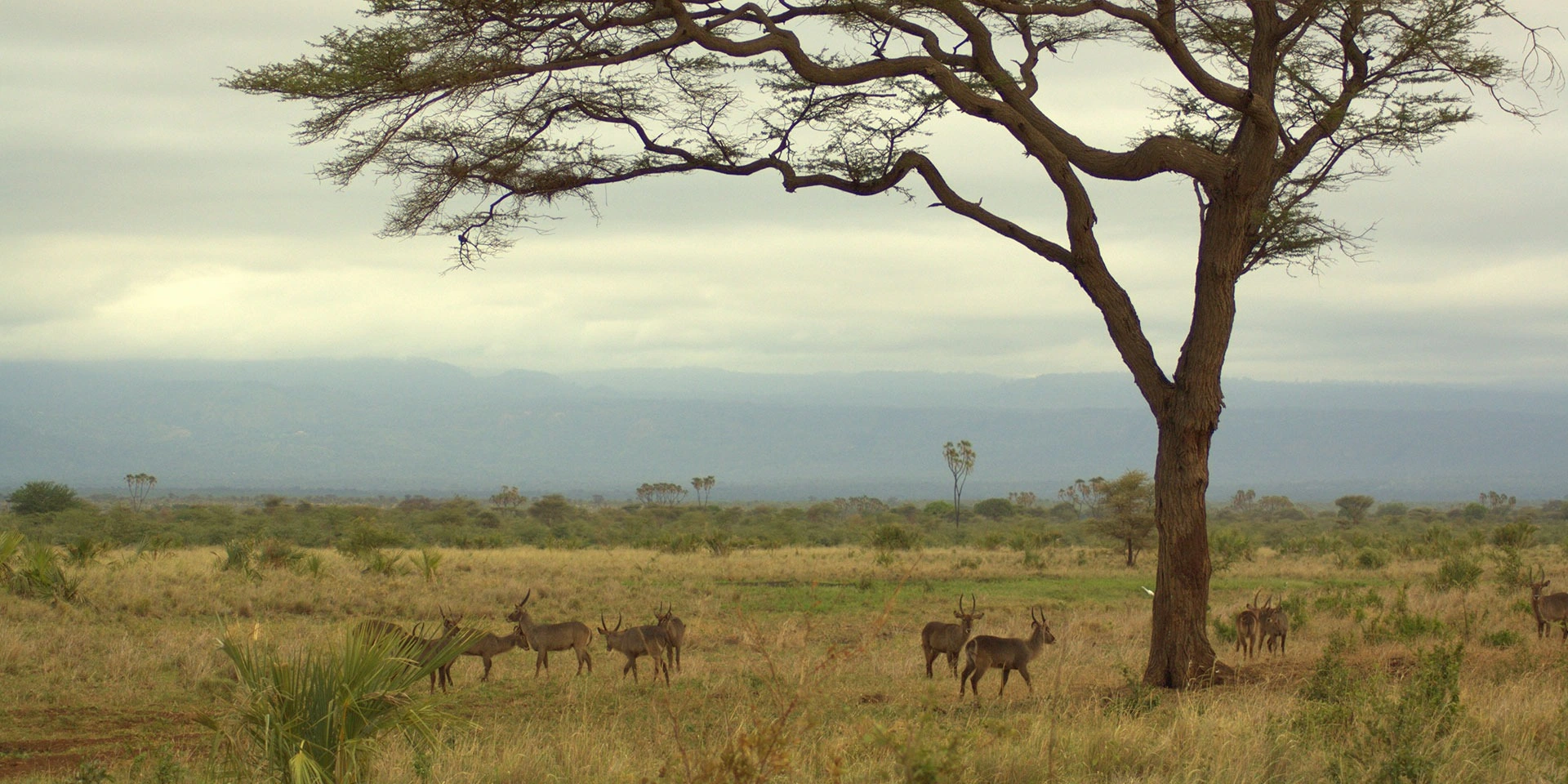
Meru’s ecosystem includes riverine strips, woodland, bush country and more open sections. The mix supports a range of animals and a rewarding variety of birds. Water availability and the season influence where game can be found, and it is worth arranging drives around local knowledge rather than expecting a single famous viewpoint to deliver every sighting.
Wildlife and conservation
Meru is associated with rhinoceros protection and other large wildlife, while birdwatchers value the variety created by its river systems and mixed vegetation. Possible wildlife includes elephant, buffalo, giraffe, antelopes and predators. As in any unfenced wildlife landscape, none can be guaranteed at a particular time or place. It is better to allow several drives than to rush through the park on a long transfer day.
Things to do and what to expect
The park is linked to the story of George and Joy Adamson and Elsa the lioness, familiar to readers of Born Free. Guests can combine an interest in conservation history with conventional game drives and birdwatching. KWS also identifies sites connected with Elsa and park heritage. Any specialised walks, night activities or visits must be checked against current park permissions and operator arrangements rather than advertised as standard inclusions.
How to plan your visit
Meru works well as the focus of a multi-night safari from central Kenya or as part of a carefully planned northern and eastern route. The transfer and the size of the park mean that a one-night visit can feel compressed. Discuss the route, the accommodation location, the areas accessible in your travel season and the pace appropriate for your group before confirming the programme.
Best time to visit and seasonal conditions
Rain can make Meru visually lush, but road conditions and travel times may change. Drier periods often make road-based travel more straightforward. Good guiding matters because the habitat is varied and wildlife can be harder to spot in thick vegetation. Pack water, binoculars and practical clothes; do not enter remote sections without following park and guide instructions.
Accommodation and safari budgeting
Accommodation selection should take account of the intended gate, the main game-drive areas and the need to avoid daily time lost crossing the park. Ask for verified lodging choices and actual availability. Meru can be especially rewarding for travellers who value quiet evenings and wildlife interpretation rather than a checklist of famous sightings.
Highlights at a glance
- Remote, less crowded wildlife landscapes
- Rhino sanctuary and conservation history
- Birdwatching across varied habitats
- Born Free history and Elsa the lioness
- Flexible multi-night wilderness itineraries
Frequently asked questions
Is Meru National Park suitable for a less crowded safari?
It is often chosen by travellers seeking a quieter, wilderness-oriented park, though visitor patterns vary.
What makes Meru different from Amboseli?
Meru has a more varied riverine and bushland landscape; Amboseli is particularly known for open elephant country and Kilimanjaro views.
How many nights should I plan?
Multiple nights are preferable if you want time for more than an arrival and departure drive.
Related GoPatooh safari inspiration
Plan responsibly with GoPatooh
Ask GoPatooh for a personalised plan that identifies the confirmed route, park entry costs, accommodation, vehicle, guiding, meals and any optional activities. Conditions and charges may change. Wildlife sightings, access to specific attractions and weather cannot be guaranteed. Official visitor guidance: Kenya Wildlife Service – Meru National Park.
What stands out
Highlights
Remote, less crowded wildlife landscapes
Rhino sanctuary and conservation history
Birdwatching across varied habitats
Born Free history and Elsa the lioness
Flexible multi-night wilderness itineraries