About this safari
A Photographer’s Journey Across Four Kenyan Wildlife Landscapes Build a seven-day visual story of Kenya, moving from the elephant country of Amboseli to the volcanic shapes of Hell’s Gate, the lake and forest habitats of Nakuru, and the open grasslands of the Masai Mara. Rather than rushing between sightings, this itinerary is planned for travellers who want time to watch animal behaviour, compose carefully and take a variety of images: wildlife portraits, animals in their environment, birds, textured landscapes and the atmosphere between destinations. This is a private, photography-oriented road…
A Photographer’s Journey Across Four Kenyan Wildlife Landscapes
Build a seven-day visual story of Kenya, moving from the elephant country of Amboseli to the volcanic shapes of Hell’s Gate, the lake and forest habitats of Nakuru, and the open grasslands of the Masai Mara. Rather than rushing between sightings, this itinerary is planned for travellers who want time to watch animal behaviour, compose carefully and take a variety of images: wildlife portraits, animals in their environment, birds, textured landscapes and the atmosphere between destinations.
This is a private, photography-oriented road safari designed by GoPatooh Tours. It follows a well-established seven-day geographic circuit, but the descriptions, photography priorities and arrangements are original to GoPatooh. It is suitable for keen beginners and experienced photographers; a professional photography instructor is not automatically included. A photographic driver-guide, window-seat capacity and specialist vehicle equipment can be requested and must be confirmed in the final quotation.
Days 1–2: Amboseli Elephant Photography and Kilimanjaro Landscapes
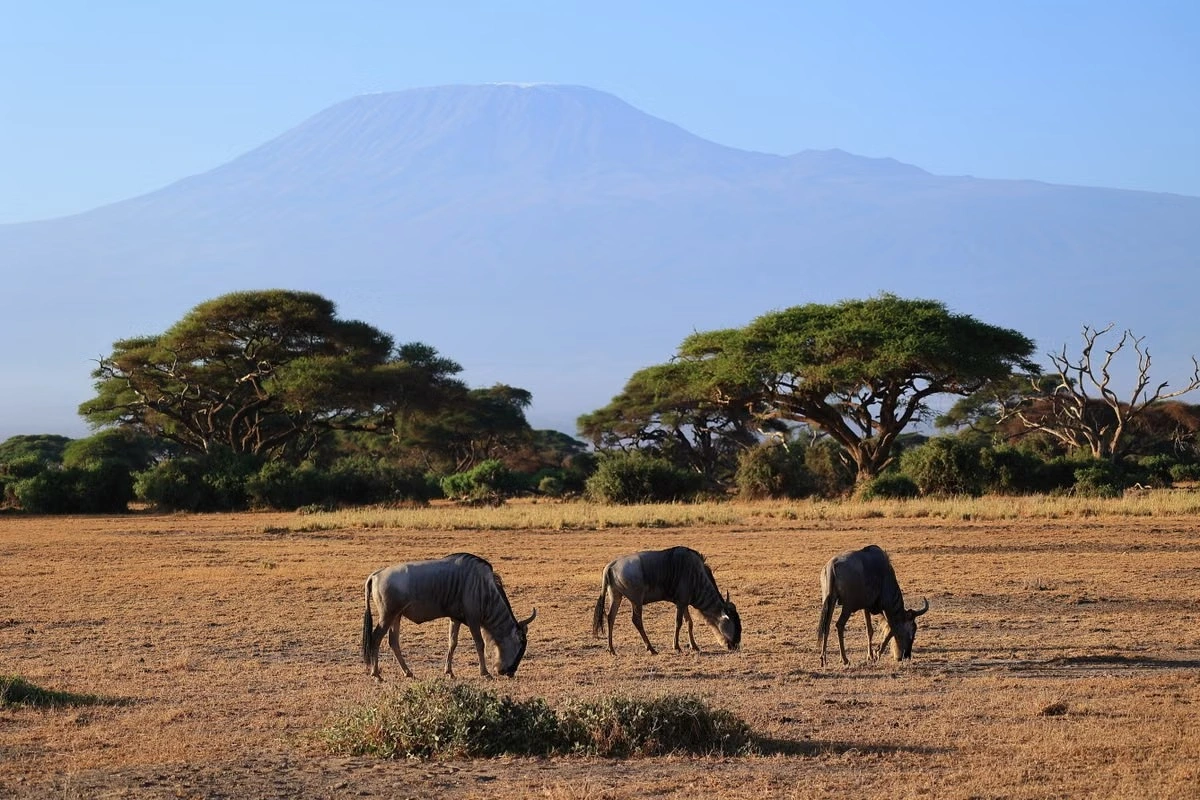
Spend two nights in the Amboseli area, with time for an introductory drive and a fuller second day. The open plains lend themselves to environmental elephant photographs, while the wetland edges can reward photographers with quieter views of buffalo, hippos and waterbirds. The most striking compositions sometimes arise from patient observation: an elephant family crossing a track, dust backlit by low sun, or the mountain appearing briefly through cloud.
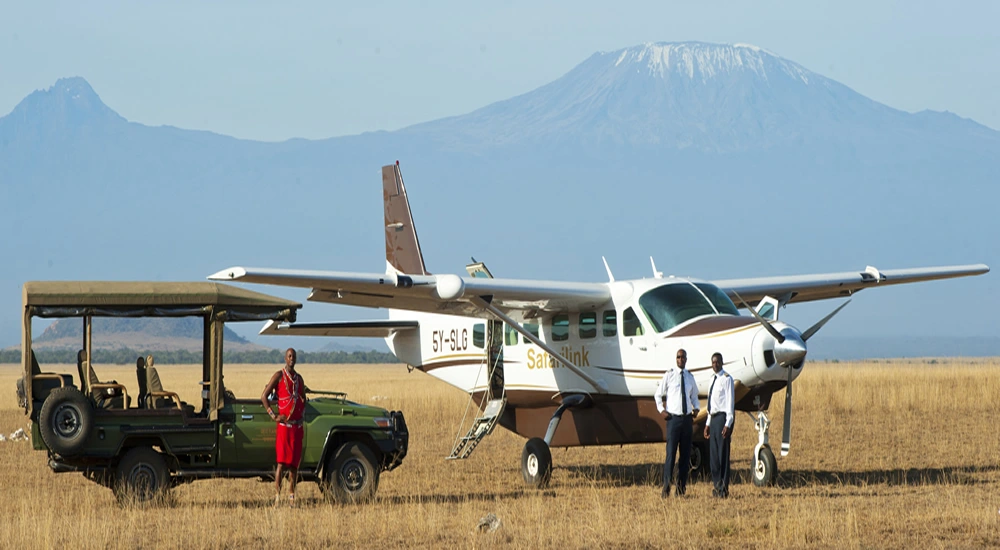
When the weather is clear, Mount Kilimanjaro provides a dramatic background; on cloudy days, the emphasis shifts to animal relationships, swamp habitats and changing sky. Observation Hill can add a wider landscape perspective where site access and the day’s plan allow. The exact sequence of drives is subject to entrance hours, lodge location and animal activity.
Day 3: Hell’s Gate, Naivasha and the Rift Valley
The transition from Amboseli to the Naivasha region is a significant road journey and is not presented as a full safari day. If travel time, daylight and park rules permit, pause in Hell’s Gate National Park to photograph rock formations, cliffs and volcanic scenery. Any walking or cycling experience is optional and subject to current permitted routes, supervision and safety conditions.
The overnight location may be in Naivasha or the nearby Lake Elementaita area, according to availability and the confirmed routing. A lakeside sunset or boat trip is not an automatic inclusion; it may be quoted separately if time and safety conditions permit.
Day 4: Rhinos, Birds and Lake Nakuru Textures
Lake Nakuru National Park offers a contrasting visual environment. Look for rhinos in open or wooded areas, seek bird photographs from permitted viewpoints and frame the lake against acacia, woodland or surrounding hills. The park’s waterbirds make it rewarding for birdwatchers, but flamingo numbers change as lake levels and food availability shift; a pink shoreline or a particular species cannot be promised.
A longer-lens approach can be useful for birds and distant animals, while a wider focal length tells the habitat story. Ethical distance, patience and respect for park rules are essential. Overnight is arranged in the Nakuru area.
Days 5–6: Masai Mara Big Cats and Savannah Storytelling
Transfer to the Masai Mara for two nights. The arrival day may allow a shorter game drive if the road journey and gate times permit. Day six offers the clearest opportunity for an extended wildlife photography session, with a schedule planned around available daylight, reserve rules and the group’s priorities.
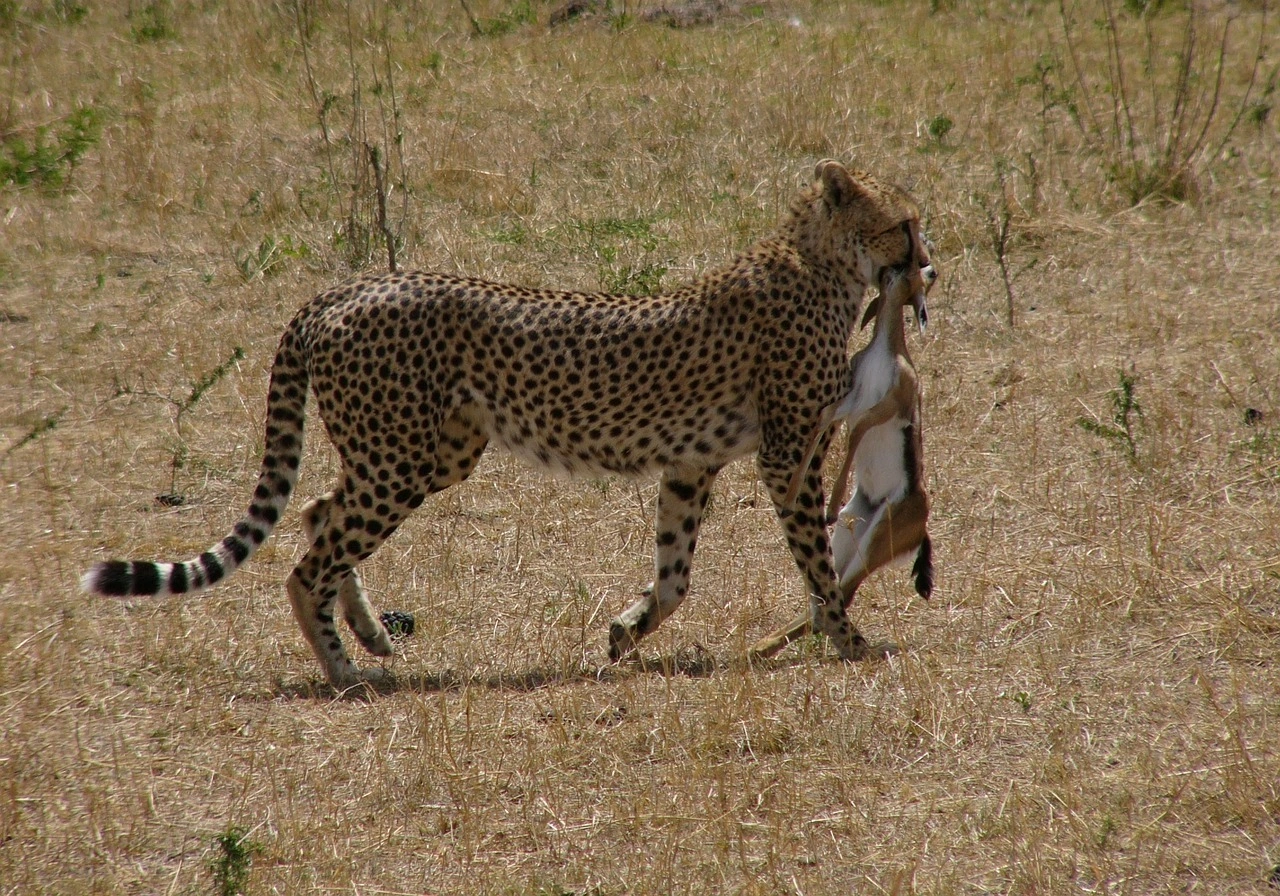
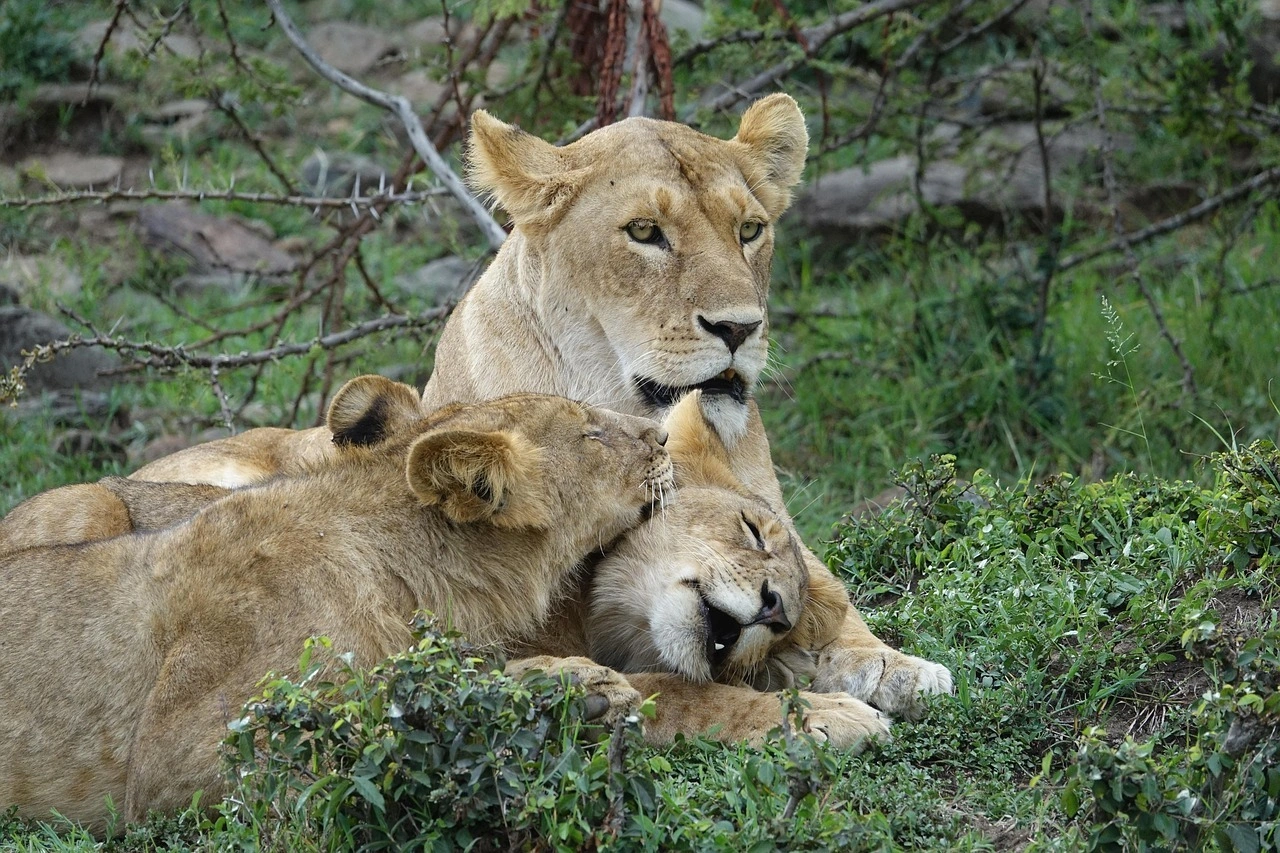
The Mara is known for lions, cheetahs, plains game and dramatic open scenery. Work with your guide to watch natural behaviour from a respectful distance without crowding animals or blocking other vehicles. During seasonal migration periods, herds may be present, but a river crossing, a specific predator hunt or a sighting of all of the Big Five is never guaranteed.
A Practical Seven-Day Itinerary for Photography
Nairobi is both the starting and finishing point. Accommodation is planned for two nights around Amboseli, one around Naivasha or Elementaita, one around Nakuru and two in the Masai Mara. The route includes several substantial transfer days; photography opportunities on those days must remain secondary to safe and realistic travel.
GoPatooh can discuss whether to adjust the number of passengers per vehicle, preference for a pop-up-roof 4x4, private guiding, the size and weight of equipment, and the value of leaving room to work with long lenses. These are planning choices rather than guarantees built into an unpriced package.
Best Time to Photograph Wildlife in Kenya
Kenya can reward photographers in every season. Drier stretches may create dust, stronger contrasts and easier observation near water; greener periods can bring atmospheric skies, fresh vegetation and abundant birds. Mountain visibility, road conditions, sightings and access depend on actual weather. The Masai Mara migration is seasonal, with movements that cannot be scheduled precisely.
For photographic light, early and late drives are often useful, but the plan must respect park opening and closing times and the location of your accommodation. A flexible approach is better than promising a particular photograph.
Camera Kit and Responsible Fieldcraft
A telephoto zoom supports wildlife portraits without approaching animals; a wider lens is useful for Kilimanjaro, Rift Valley cliffs and broader habitats. Bring spare batteries, memory cards, a dust cloth, lens protection, comfortable straps and a backup plan for your image files. A beanbag can offer steadiness inside a vehicle where allowed; tripods, drones or specialised equipment are subject to operator and park regulations.
Do not ask a guide to drive off designated tracks, pursue wildlife or use flash on sensitive animals. Keep voices low, avoid distressing wildlife and follow the instructions of wardens and guides. Photography should never take priority over safety or conservation.
Accommodation, Price and What Is Included
This package is published for enquiries and individual quotations. GoPatooh has not yet approved accommodation contracts, room allocations or a public price for this photography itinerary. A proposed mid-range lodge or camp standard can be requested, but no third-party operator’s lodge or published rate is presented as a GoPatooh booking commitment.
Your quotation will list accommodation, meal plans, park or reserve fees, vehicle specification, guide arrangements, water, pick-up and drop-off arrangements, and optional photographic activities. International flights, travel insurance, visas, personal purchases and any specialist photography mentor are not assumed to be included unless itemised.
Frequently Asked Questions
Is this a private photography safari? It is designed as a private road safari, with exact guide, vehicle and occupancy arrangements confirmed at quotation stage.
Are Big Five sightings guaranteed? No. The itinerary passes through important wildlife areas, but the animals move freely and no specific encounter can be promised.
Can beginners join? Yes. The guide can support patient observation and help locate subjects, though technical tuition must be requested separately.
Will we photograph flamingos at Lake Nakuru? Possibly, but their location and numbers vary. Rhino habitat, diverse waterbirds and the lake landscape are reliable reasons to visit even if flamingos are scarce.
Is there time to cycle at Hell’s Gate? Only if the long transfer day and current park rules allow; it is optional rather than an automatic inclusion.
Can the journey be customised? Yes. GoPatooh can adjust accommodation and photographic priorities subject to dates, costs and road feasibility.
Build Your Kenya Photography Safari with GoPatooh
Tell us your travel dates, number of photographers, preferred comfort level, photography equipment and the animals or landscapes at the top of your wish list. We will prepare a tailored seven-day proposal with realistic drives, transparent costs and responsible wildlife-viewing arrangements.
Explore our Kenya photography safaris, wildlife photography experiences, Amboseli National Park, Lake Nakuru National Park, and Kenya wildlife safari collection. Learn more about visitor regulations on the Kenya Wildlife Service website.

Explore Your Safari Route
Select an itinerary stop to see its location on the interactive map. Zoom in to explore the surrounding landscape.
Experiences along this safari
Explore activities connected with this route. Some experiences may be optional and depend on availability or the itinerary selected.
Choose How You Experience This Safari
All choices share the same master safari route. Select a published variation to view its day-by-day changes and accommodation preferences. Prices are provided only on enquiry.
Your safari, day by day
Follow the journey from your first destination to the final day. Expand any day to explore the activities, meals, transport and overnight arrangements.
-
The day's experienceBegin in Nairobi with a safari briefing covering camera equipment, realistic travel times and respectful wildlife photography. Travel south toward Amboseli, watching agricultural country give way to drier plains and distant mountain scenery. Weather permitting, Mount Kilimanjaro may appear ahead of you, but the mountain often sits behind cloud and is never a guaranteed subject. After check-in at your confirmed lodge or tented camp, set out for a late-afternoon game drive if the arrival time and park schedule allow. The first shoot is deliberately flexible. Look for elephants moving between feeding grounds, zebra groups in open grassland and quiet moments near wetland habitat. Your driver-guide will prioritise safe positions on established roads rather than pursuing animals for a photograph. Use a wide frame to place wildlife in its landscape and a longer lens to notice texture and behaviour. Return before park closing time for dinner, card backups and an early night before tomorrow’s longer shoot.AccommodationAmboseli-area lodge or tented camp (property confirmed in quotation)MealsLunch and dinner subject to final lodging/meal planTransportNairobi–Amboseli by private road transfer; afternoon game drive if feasibleActivitiesTravel briefing, landscape frames, ethical elephant and plains wildlife photography
-
The day's experienceSet aside a full day for Amboseli’s constantly changing light. Where park hours and lodge arrangements permit, begin close to the morning’s softer light, exploring locations where elephants cross the open landscape and birds congregate near marshes. Rather than constantly moving, the guide can allow time to observe an elephant family or wait as clouds open briefly over Kilimanjaro. Photography priorities include animal relationships, eye-level compositions from the vehicle, dust and backlight, reflections near wetland edges and broader habitat storytelling. If accessible and suitable for the timing, Observation Hill offers the chance to understand the mosaic of plains, springs and distant peaks from above; this is a landscape stop rather than a guarantee of close wildlife portraits. Arrange your meal break and afternoon drive around actual park conditions. A telephoto lens is useful for distant animals; a wide-angle is valuable when the landscape becomes the subject. Finish with another early-evening session if permitted, then return to your accommodation, clean lenses and back up images.AccommodationSame Amboseli-area accommodation as Day 1MealsBreakfast, lunch and dinner subject to final lodging/meal planTransportGuided Amboseli game drives on permitted routesActivitiesElephant behaviour, environmental portraits, birdlife, Kilimanjaro and Observation Hill when suitable
-
The day's experienceLeave Amboseli after breakfast for the longest cross-country transfer in the early part of the trip. The route runs toward the Great Rift Valley and may be affected by traffic or roadworks, so today is designed principally as a travel and landscape day. If arrival time, daylight and current park arrangements allow, make a short, well-managed visit to Hell’s Gate National Park to explore the visual contrast of sheer cliffs, volcanic towers, steam and broad valley skies. Photograph rock forms in layers, use people sparingly for scale, and watch changing shadows along permitted roads or safe public viewing areas. Any cycling, guided walking or gorge access must be independently approved and quoted; activities are not guaranteed on this transfer day. Continue to the confirmed accommodation in the Naivasha or Elementaita area. If traffic prevents a meaningful park stop, travel directly to the lodge rather than rushing an unsafe excursion. Evening time is for rest and equipment care before Lake Nakuru.AccommodationNaivasha or Lake Elementaita-area lodge (confirmed in quotation)MealsBreakfast, lunch and dinner as confirmed in accommodation/transfer planTransportLong private road transfer Amboseli–Naivasha/Elementaita, optional Hell’s Gate stop if feasibleActivitiesRift Valley landscapes, Hell’s Gate cliffs and volcanic formations when access permits
-
The day's experienceAfter breakfast, leave the Naivasha or Elementaita area and continue toward Lake Nakuru National Park. Plan a game drive through the park’s varied grassland, woodland and lakeshore habitats, with time to look for both white and black rhinos and to explore bird photography at a careful distance. The opportunity is not a checklist: animal locations, vegetation and seasonal water levels determine which subjects can be photographed. Where conditions are good, work with reflections, the shapes of acacia trees, a rhino crossing open ground or a bird settling into reeds. Flamingos are a potential subject, not a reliable guarantee; their population at the lake has varied substantially as water conditions have changed. The guide will obey route and viewing restrictions and avoid disturbing birds or mammal groups. Your afternoon is dedicated to wildlife observation at a relaxed pace before checking in to accommodation in or near Nakuru according to your confirmed plan. Use the evening to review your images and prepare for tomorrow’s drive to the Mara.AccommodationNakuru-area lodge/hotel (confirmed in quotation)MealsBreakfast, lunch and dinner subject to final quotationTransportNaivasha/Elementaita to Nakuru; permitted guided park game driveActivitiesRhinos, woodland birds, wetland scenes, lake views and careful long-lens photography
-
The day's experienceStart after breakfast on the road toward the Masai Mara, crossing rolling countryside and stretches of the Rift Valley landscape. This is an important transfer day; roads, weather and entry formalities can alter the arrival time, so a game drive in the Mara is planned only if there is sufficient daylight and permitted access. After arriving at your confirmed lodge or tented camp, settle in and discuss the next day’s photography priorities with the guide. If an afternoon drive is possible, look for broad savannah compositions, zebra and antelope groups, silhouetted trees, or signs of big cat activity rather than attempting to cover too much ground. The Mara’s value lies in patient observation and the possibility of returning to productive areas on the following day. Wildlife sightings are never guaranteed, and river crossings are seasonal events determined by the animals, not the itinerary. Return for dinner and prepare batteries, memory cards and lenses for the full-day photography opportunity ahead.AccommodationMasai Mara-area lodge or tented camp (confirmed in quotation)MealsBreakfast, lunch and dinner subject to final lodging/meal planTransportPrivate road transfer Nakuru–Masai Mara; afternoon game drive if feasibleActivitiesSavannah establishing shots, plains game, introductory big-cat viewing if available
-
The day's experienceToday is the strongest opportunity in the itinerary to work slowly with a subject. Following the agreed reserve schedule, head out for a focused wildlife photography day across the Mara’s plains and riverine habitats. Your guide can spend time watching the interaction of predators and prey, scanning for cheetahs on termite mounds, observing lion prides from a respectful distance, or studying the rhythms of wildebeest, zebra, buffalo and giraffe herds. Every sighting is shaped by animal movement; the best photographs may be of behaviour and habitat rather than rare species. A packed lunch can help preserve field time where the final meal plan and approved picnic arrangements permit. Ask for positions that favour natural light without leaving designated routes, crowding a sighting or blocking other vehicles. Explore both telephoto portraits and wider scenes that explain where the animal lives. If the journey falls within a migration period, herds may be present, but no river crossing or predator action is promised. Return to your accommodation in the evening to review a rich day of images.AccommodationSame Masai Mara accommodation as Day 5MealsBreakfast, lunch and dinner subject to final lodging/meal planTransportFull-day guided Masai Mara game drive on approved routesActivitiesBig cats where found, herbivore behaviour, birds, savannah horizons and storytelling sequences
-
The day's experienceEnjoy breakfast before departing the Mara for Nairobi. Depending on the confirmed accommodation, check-out time and road conditions, there may be time for a few last broad landscape frames while leaving the reserve area; an additional formal game drive is not included unless clearly arranged in advance. The road back passes changing highland scenery and trading centres, with stops only where safe, permitted and practical. Use the journey to reflect on the variety of the previous week: Kilimanjaro and elephant country, volcanic cliffs, Nakuru’s rhino habitats and the grasslands of the Mara. Your guide will arrange the Nairobi drop-off included in the final quotation, taking account of traffic and any onward transport connection. Travellers departing internationally should allow a generous margin before flights rather than assume a fixed afternoon arrival. This is the final day of the safari, with no overnight accommodation included.AccommodationNo accommodation: safari ends in NairobiMealsBreakfast; later meals subject to final quotationTransportMasai Mara–Nairobi road transfer and agreed drop-offActivitiesOptional safe landscape stops; final transfer, no guaranteed additional wildlife drive