Destination guide
About Tsavo East National Park
Travel through Tsavo East’s immense open landscapes, where red-dust elephants and the Galana River define the safari experience.
Overview: why visit Tsavo East National Park?
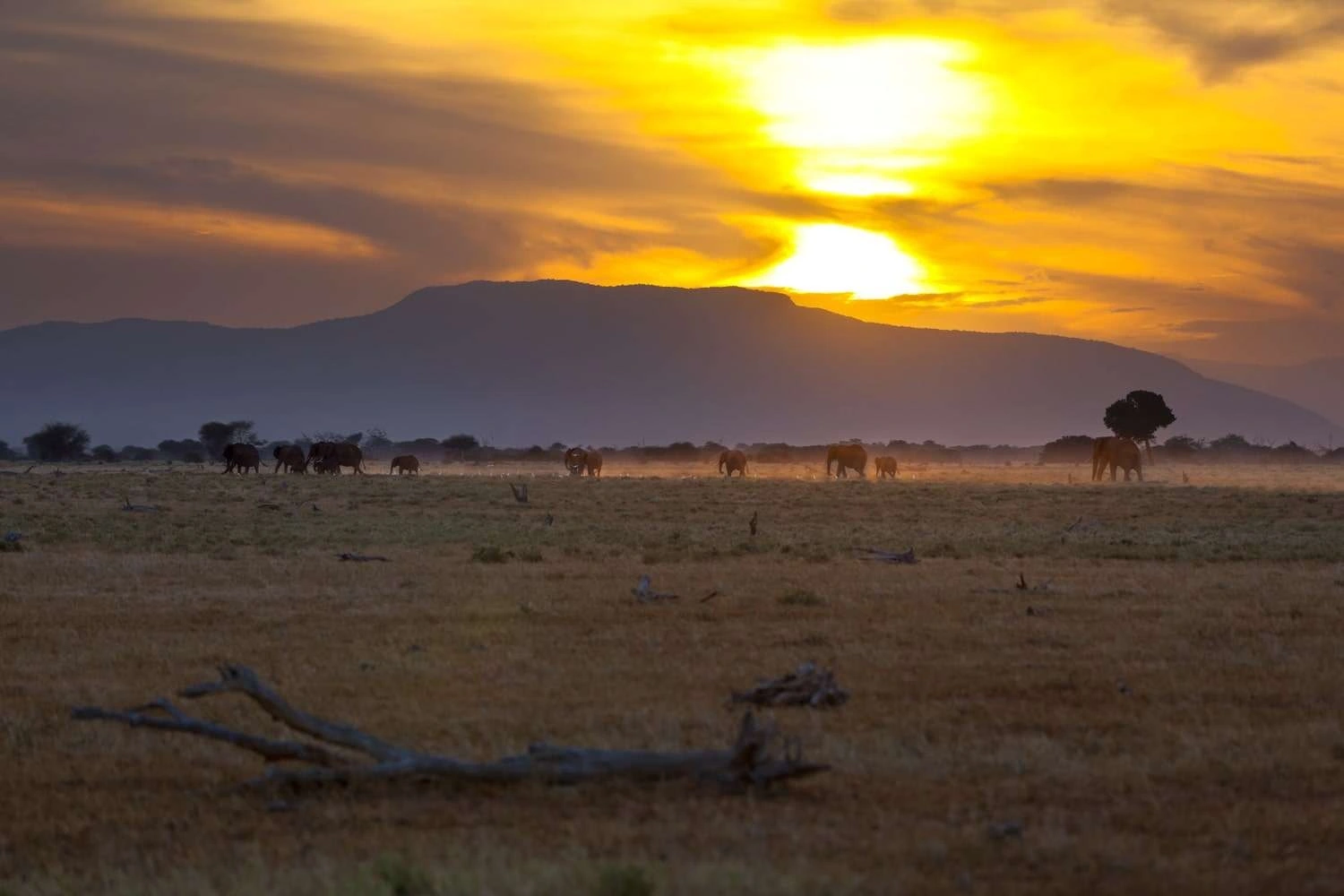
Tsavo East National Park has a sense of scale that is difficult to convey in a single photograph. Long horizons, red earth and sparse bushland create a powerful feeling of open country. Elephants can acquire their characteristic rusty colour after dust-bathing in the red soil, making them an especially memorable sight. Yet Tsavo East is not just about elephants: its rivers, seasonal habitats and vast terrain make every drive a study in adaptation to a dry-land environment.
Landscapes and ecosystems
The park is known for semi-arid plains, acacia vegetation and the Galana River. The Yatta Plateau is a striking volcanic feature that gives an added geological dimension to the landscape. Wildlife distribution changes with water and grazing, so a route that works in one season may not produce the same encounters in another. River country can provide a strong contrast to the open expanses.
Wildlife and conservation
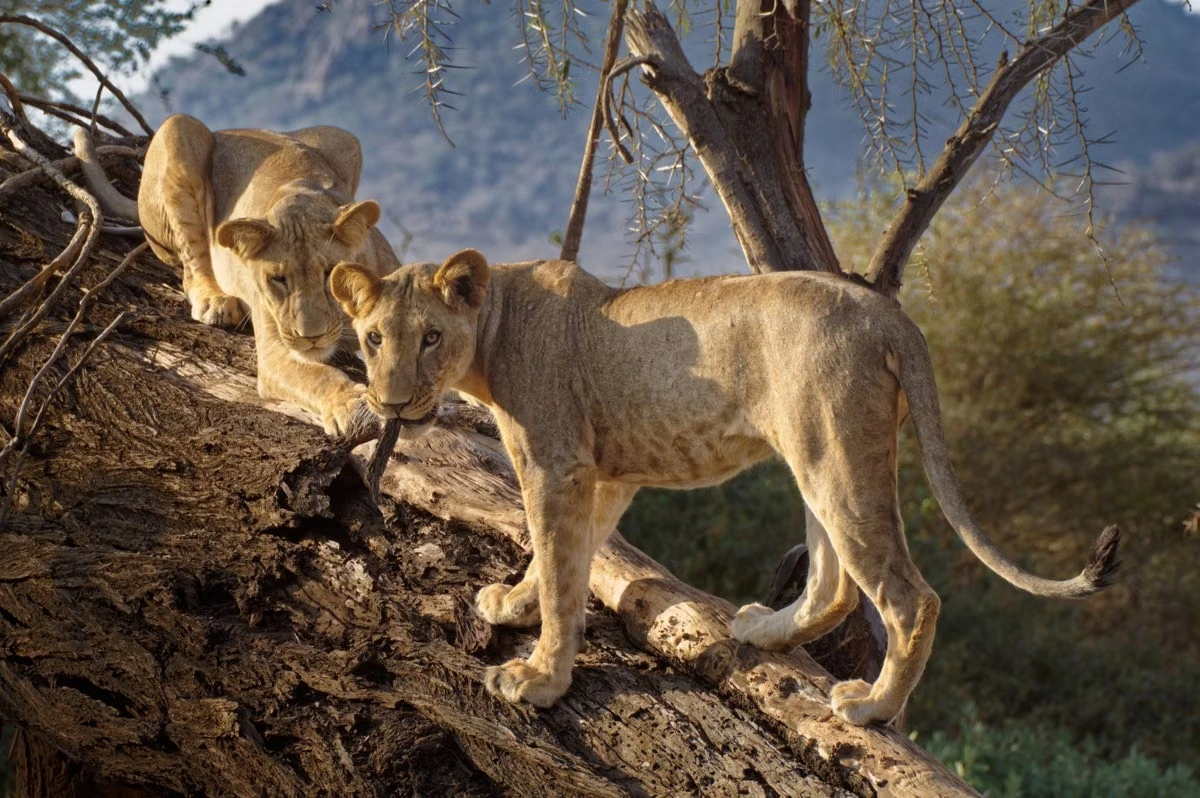
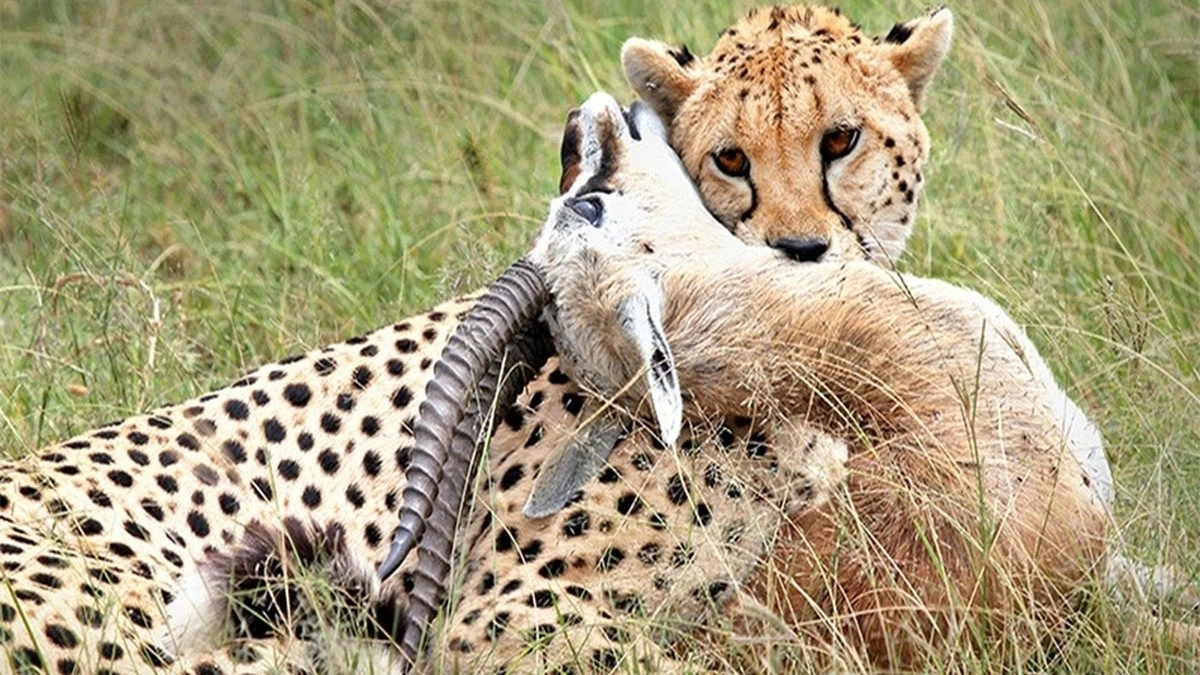
Elephants, giraffe, antelopes, buffalo and large carnivores are among the animals visitors may seek, alongside rich birdlife. The great area of the park means some drives are more about track-reading, landscape and careful searching than close-up wildlife in every hour. Appreciate the pace: a relaxed encounter with a herd may be far more meaningful than trying to cover maximum kilometres.
Things to do and what to expect
Game drives form the core experience. Landscape photography is particularly attractive because of the red soils and wide skies, and the Galana River corridor creates opportunities for a different style of observation. Wildlife should only be watched from permitted routes and suitable safe distances. Additional special activities must be approved where required; night driving should never be presented as automatically allowed.
How to plan your visit
Tsavo East is frequently paired with Tsavo West or used as a safari extension for travellers staying in Mombasa, Watamu or other coast destinations. Distances within the Tsavo ecosystem are substantial and park gates matter to transfer planning. Select the order of the route according to the starting point and accommodation rather than assuming the two Tsavo parks can be fully explored in a single afternoon.
Best time to visit and seasonal conditions
Drier months can make wildlife search around water especially rewarding and are generally easier for long road journeys. Rains can produce beautiful scenery, but surfaces and routes may be affected. Early departure times, adequate drinking water and a vehicle suited to the route should be part of the plan.
Accommodation and safari budgeting
Consider the lodge’s distance from the entrance, the Galana area and the intended route through the park. A lodge name is not enough to know how much game-drive time remains. GoPatooh can build a tailored itinerary once the travel dates, accommodation preference and confirmed park charges are known.
Highlights at a glance
- Famous red-dust elephant sightings
- Galana River wildlife corridor
- Yatta Plateau volcanic landscape
- Broad semi-arid savannah scenery
- Safari extension from the Kenya coast
Frequently asked questions
Why are some Tsavo elephants red?
Elephants often dust-bathe in the park’s reddish soil, which colours their skin temporarily.
Is Tsavo East the same as Tsavo West?
No. They are separate national parks with different landscapes and must be planned as distinct destinations.
Can I combine Tsavo with a beach holiday?
Yes. The park is a common safari choice for coast-based trips, with routes and distances depending on the beach location.
Related GoPatooh safari inspiration
Plan responsibly with GoPatooh
Ask GoPatooh for a personalised plan that identifies the confirmed route, park entry costs, accommodation, vehicle, guiding, meals and any optional activities. Conditions and charges may change. Wildlife sightings, access to specific attractions and weather cannot be guaranteed. Official visitor guidance: Kenya Wildlife Service – Tsavo East National Park.
What stands out
Highlights
Famous red-dust elephant sightings
Galana River wildlife corridor
Yatta Plateau volcanic landscape
Broad semi-arid savannah scenery
Safari extension from the Kenya coast