Explore Kenya from Samburu to Tsavo East
Follow an ambitious, rewarding Kenya road safari from Nairobi into Samburu country, across Ol Pejeta Conservancy and the Rift Valley lakes, then through the Masai Mara and southern elephant landscapes of Amboseli to the red soils of Tsavo East. Over twelve days and eleven nights, this route introduces a remarkable range of habitats, wildlife communities and conservation stories. The itinerary includes one night in Nairobi, two in Samburu, one in Ol Pejeta, one in Lake Nakuru, two in the Masai Mara, one near Lake Naivasha, two in Amboseli and one in Tsavo East. It is particularly suitable for visitors willing to spend several days travelling by road to explore a broad cross-section of Kenya. This master route is independently written for GoPatooh and contains no source operator price commitments.
The Scope of a Twelve Day Grand Kenya Wildlife Journey
Unlike a short safari concentrated in one reserve, this route connects Kenya’s northern, central, western and southern safari regions. The landscapes change substantially between destinations, offering a richer understanding of the country’s biodiversity and the different habitats that sustain it. The variety does come with long transfer days, so the trip is best approached with realistic expectations and a willingness to experience Kenya along the way. The schedule reserves dedicated wildlife days in Samburu, Masai Mara and Amboseli rather than making every day a hurried journey between lodges.
Samburu and the Wildlife of Northern Kenya
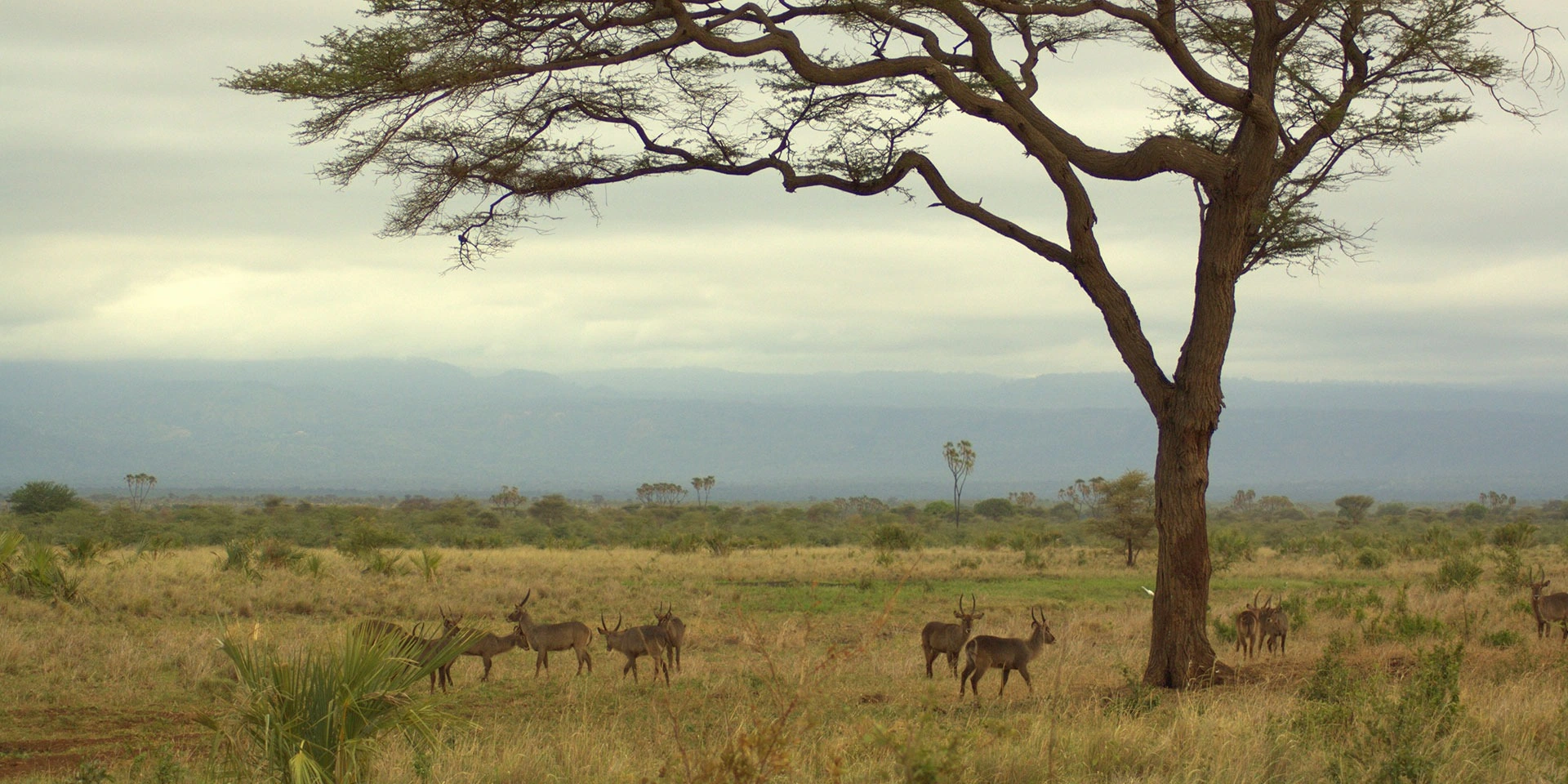
The first major reserve is Samburu, a drier region where riverine woodland meets arid plains. Travellers can look for wildlife associated with the northern ecosystem, including Grevy’s zebra, reticulated giraffe, gerenuk, Beisa oryx and Somali ostrich. These animals are sometimes grouped informally as the Samburu Special Five, but sightings depend on their movements and the guide’s route. The Ewaso Ngiro River is an important feature of the reserve and may attract elephants and other animals. Two nights provide a meaningful opportunity to explore this distinctive scenery and learn how wildlife adapts to comparatively dry habitats.
Ol Pejeta and Lake Nakuru: Two Approaches to Conservation
After Samburu, the journey reaches Ol Pejeta Conservancy and then Lake Nakuru National Park. Ol Pejeta is known for wildlife conservation programmes, including rhinoceros protection and the care of rescued chimpanzees at Sweetwaters Chimpanzee Sanctuary. Visits involving specialist conservation facilities need to be verified and confirmed in advance. At Lake Nakuru, the safari shifts towards alkaline lake surroundings, wooded grassland and rhino habitat. Both black and white rhinoceroses may be encountered, while flamingo numbers change with lake conditions. These locations complement each other without duplicating the wildlife story.
The Masai Mara: Savannah Wildlife and Seasonal Movements
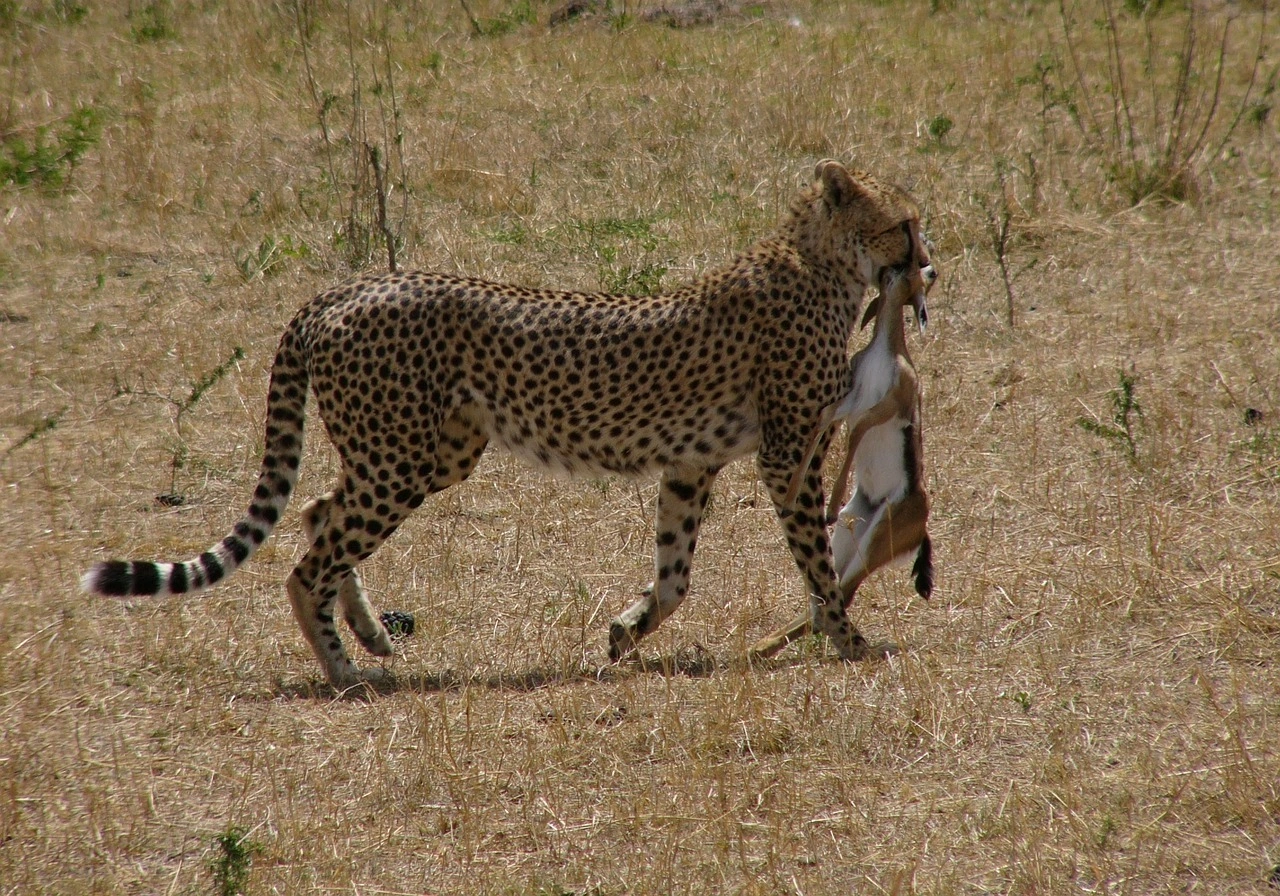
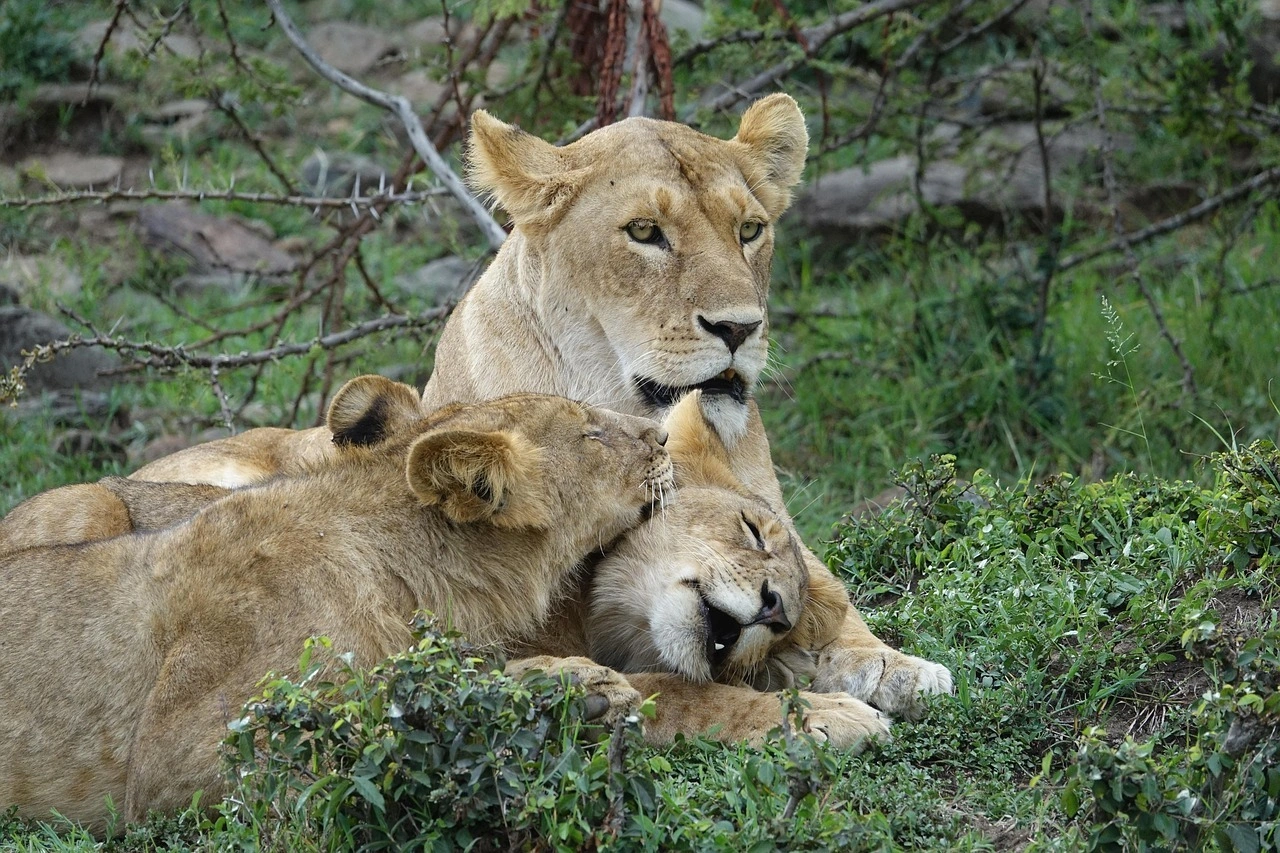
Two nights in the Masai Mara offer an arrival drive, weather and access permitting, plus a longer day on safari. This reserve is associated with lions, cheetahs, elephants, buffaloes, zebras, giraffes and many other animals. Your guide will follow animal movements and legal game viewing routes rather than promising a fixed set of sightings. The famous migration is seasonal and its exact timing fluctuates; dramatic river crossings are exceptional events that cannot be scheduled. A balloon flight or community visit can be explored as an optional experience, but not every traveller will wish to add it.
Lake Naivasha and a Breathing Space in the Rift Valley
Between the Masai Mara and Amboseli, the route pauses at Lake Naivasha for a different atmosphere. Freshwater habitats bring opportunities to observe birdlife and, on appropriately conducted boat outings, hippopotamuses from a safe distance. Guided excursions, including Crescent Island where available, must be arranged separately and subject to operator access and weather. Because this is part of a long road journey, a restful afternoon at the accommodation is a valid choice and may be more comfortable than fitting multiple activities into a short arrival window.
Amboseli and Tsavo East: Two Contrasting Southern Parks
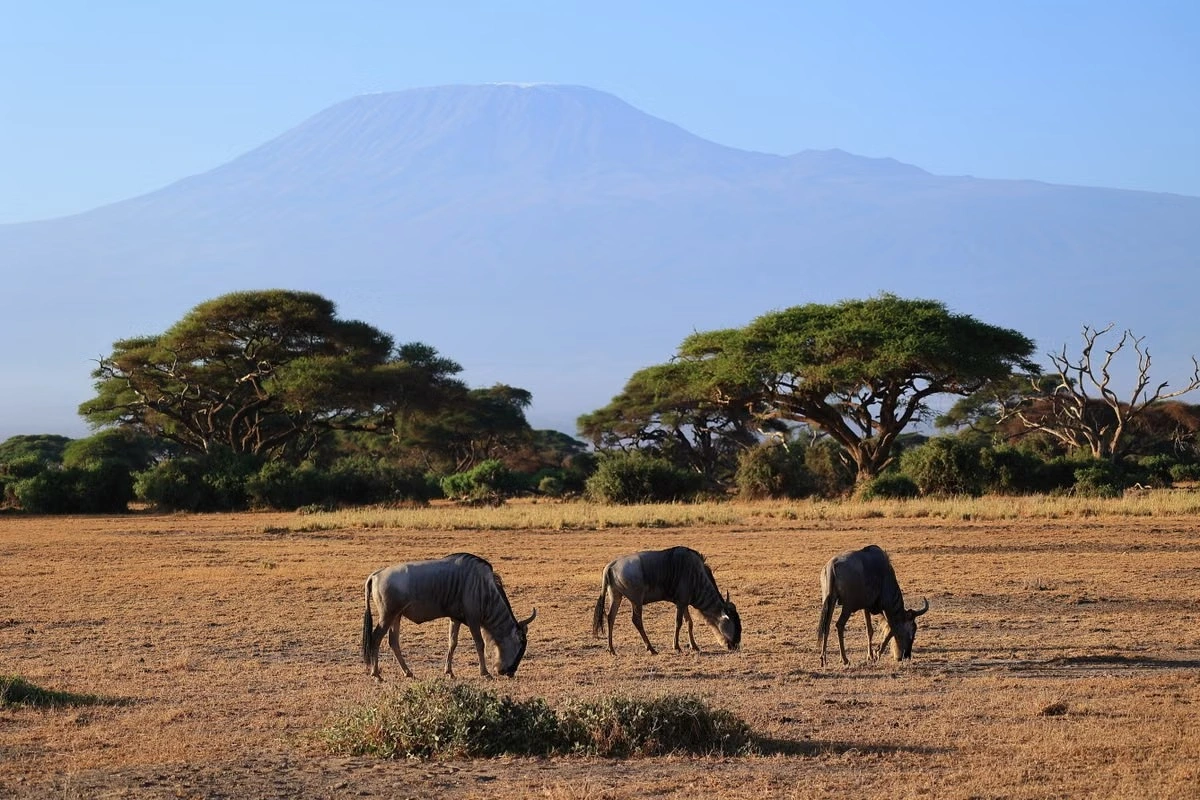
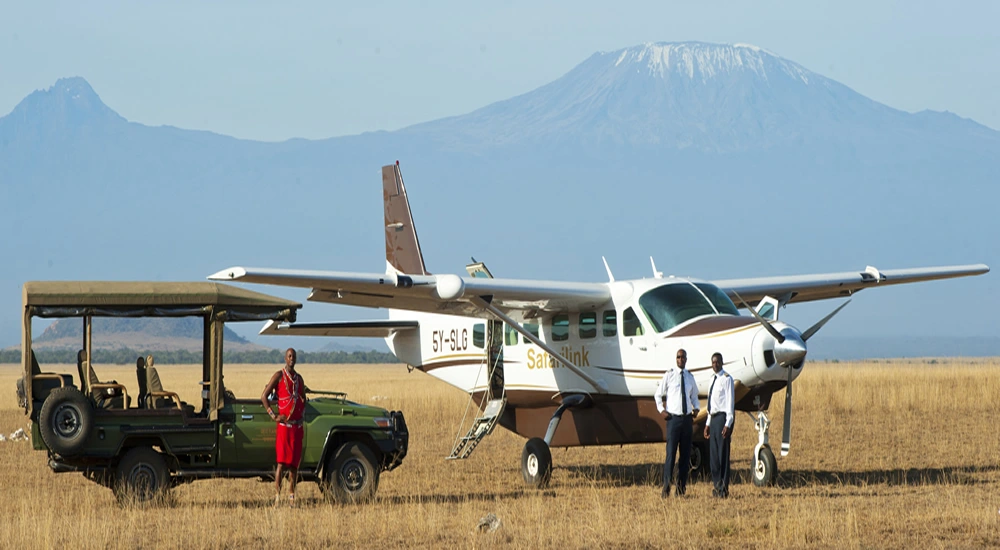
Amboseli is associated with elephant herds, wetlands and the possibility of viewing Mount Kilimanjaro across the border. A full day gives time to explore different park habitats after the long transfer from Naivasha. Further east, Tsavo East introduces broad red-earth plains, semi-arid country and elephants often coloured by local dust. The dramatic landscapes of Tsavo offer a distinctly different final wildlife setting. Tsavo East is the location given in the source day-by-day itinerary; this package should not be represented as covering Tsavo West or an unrelated lodge across the wider Tsavo ecosystem.
Accommodation Preferences Without Multiple Copies
There is one main twelve day safari here, not a separate duplicate itinerary for Budget and Mid-luxury accommodation. Those accommodation choices can be stored as draft preferences connected to the master, with hotels, rooms, locations and service levels confirmed when a quotation is prepared. This distinction matters because a selected lodge may change travel times and entry gates. A wildlife photography or family variation can also be created later by overriding selected itinerary days, but it should not alter the original route invisibly.
Preparing for the Long Safari and Choosing Travel Dates
This is a substantial road journey with early departures on several days and limited downtime in some destinations. Weather, seasonal road conditions, park gate access and travel regulations will affect how the schedule works. Guests should discuss fitness, medical or mobility considerations, children’s needs and return-flight timing before confirming. Binoculars, sun protection, light layers and a camera are useful, while good footwear and personal medication are practical essentials. Park fees, meals, specific accommodation, optional activities and vehicle arrangements must be written into the final confirmation. A late flight or another overnight may be more appropriate if the last-day drive from Tsavo East becomes too demanding.
Continue Exploring GoPatooh Safaris
Browse our Kenya Wildlife Safaris collection, discover additional Kenya safari itineraries, view our destination guides and safari experiences. For a personally adjusted route, use the GoPatooh safari enquiry page. The links reflect current website sections, not separately created copies of this package.
Official Visitor and Conservation References
Frequently Asked Questions
How many nights are included in the twelve day safari?
There are eleven nights: one in Nairobi, two in Samburu, one in Ol Pejeta, one at Lake Nakuru, two in the Masai Mara, one at Lake Naivasha, two in Amboseli and one in Tsavo East.
Does this route visit Tsavo East or Tsavo West?
It visits Tsavo East. The source day-by-day itinerary specifically names Tsavo East on Day 11, and a Tsavo West excursion is not included in the master plan.
What wildlife makes Samburu different from other safari areas?
Samburu is associated with northern species such as Grevy’s zebra, gerenuk, reticulated giraffe, Beisa oryx and Somali ostrich, alongside elephants and predators. Sightings are not guaranteed.
Is a chimpanzee sanctuary visit guaranteed at Ol Pejeta?
The original itinerary proposes a Sweetwaters visit. GoPatooh must confirm timing, access arrangements and the final inclusion list before it can be treated as booked.
Can I choose accommodation standards without creating another safari?
Yes. Budget and Mid-luxury preferences are draft options attached to the same master route, not duplicate itineraries. Specific accommodation is confirmed only in the final quotation.
Is this itinerary suitable for travellers avoiding long drives?
It covers a large geographic area, with some long transfers, especially towards Amboseli and from Tsavo East back to Nairobi. We recommend discussing a revised route or an additional overnight if a slower pace is needed.
All routes, accommodation, optional activities, meals, fees and service arrangements remain subject to the final written confirmation. Wildlife sightings and weather conditions cannot be guaranteed.