
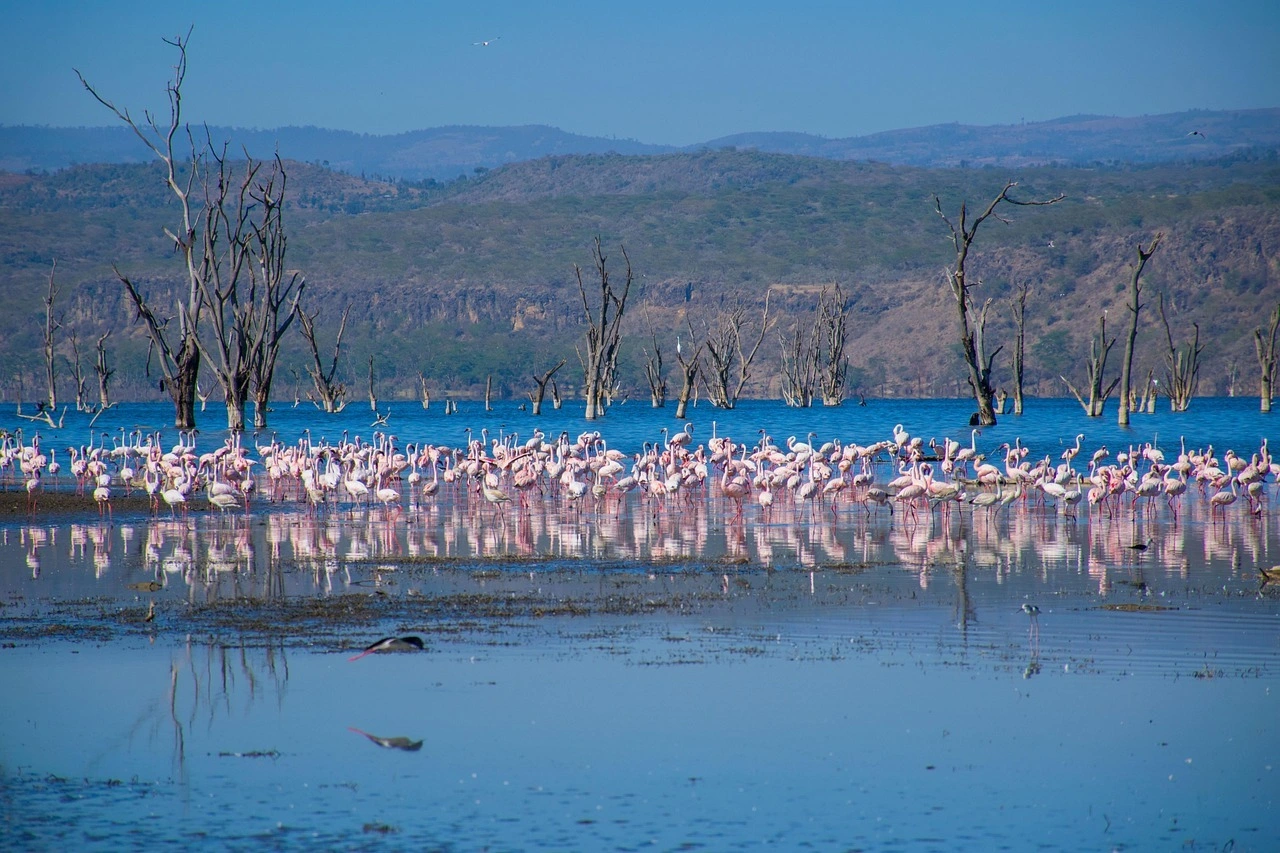
A 4-day Ol Pejeta and Lake Nakuru safari is one of the most appealing short Kenya circuits for travellers who want both conservation experiences and a change of scenery. Instead of spending four days rushing between distant destinations, this route concentrates on two complementary wildlife areas: Ol Pejeta Conservancy in Laikipia and Lake Nakuru National Park in the Rift Valley.
The result is a safari with space for game drives, rhino conservation learning, birdwatching and scenery. This guide explains a realistic four-day route from Nairobi, how the two parks differ and what to consider before booking accommodation or optional activities.
Why combine Ol Pejeta and Lake Nakuru?
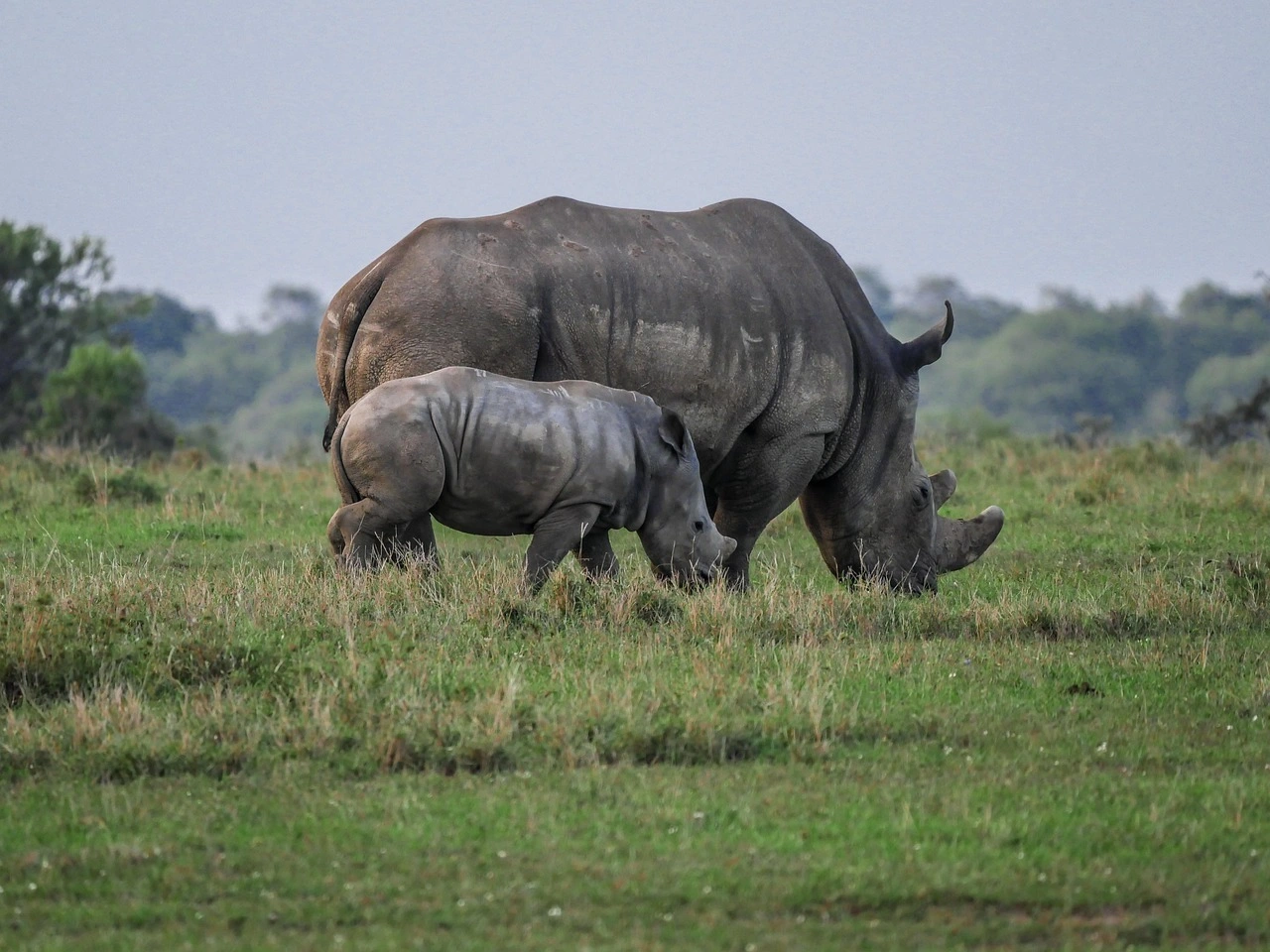
The two destinations offer different chapters of Kenya's wildlife story. Ol Pejeta is known for its rhino conservation work, the Sweetwaters Chimpanzee Sanctuary and Laikipia landscapes near Mount Kenya. Lake Nakuru brings an alkaline lake, bird habitats, scenic viewpoints and another important protected population of black and white rhinos.
Together, they create more variety than repeating similar game drives every day, while remaining manageable as a four-day road safari if you leave Nairobi with a sensible schedule. The route is particularly suitable for first-time visitors interested in rhinos, travellers with limited annual leave and returning safari guests keen on conservation-focused destinations.
Open the GoPatooh 4-day Ol Pejeta and Lake Nakuru tour to compare this planning guide with the current package concept.
Suggested route: Nairobi to Ol Pejeta to Lake Nakuru and back
A useful accommodation split is two nights in the Ol Pejeta region and one night in or near Nakuru. It preserves a full day at Ol Pejeta and leaves a meaningful wildlife session at Lake Nakuru. The order can sometimes be reversed, but every revision should respect hotel check-in times, conservancy access rules and road conditions.
| Day | Route | Main safari purpose | Overnight area |
|---|---|---|---|
| 1 | Nairobi to Ol Pejeta | Travel, check-in and introductory wildlife drive if time permits | Ol Pejeta / Nanyuki area |
| 2 | Ol Pejeta | Flexible game drives and optional conservation experiences | Ol Pejeta / Nanyuki area |
| 3 | Ol Pejeta to Lake Nakuru | Transfer, landscape change and Lake Nakuru wildlife viewing | Nakuru area |
| 4 | Lake Nakuru to Nairobi | Morning park time if feasible and return transfer | Trip ends in Nairobi |
This is a suggested sequence, not a promise that each special activity, meal or drive is included in every quotation. Confirm them individually when selecting your package.
Day 1: Nairobi to Ol Pejeta Conservancy
Begin with a morning departure from Nairobi towards Nanyuki and the Laikipia region. This section of the trip introduces Kenya's central highlands before arriving near Ol Pejeta. Allow time for rest stops and possible delays rather than scheduling a specialist appointment immediately after the projected arrival time.
After check-in and a meal, use any remaining suitable daylight for a first game drive. The conservancy offers opportunities to look for giraffes, antelopes, elephants, buffalo, rhinos and other wildlife. The aim of the first afternoon is orientation, not racing to see every species. Your guide can also explain the options for the next day's activities.
Spend the first night at the confirmed property in or near Ol Pejeta. The exact lodge location matters because it affects gate travel, meals and the amount of time available for wildlife viewing.
Day 2: Rhino conservation and a full wildlife day
Begin early if conditions and the accommodation plan allow. A morning drive offers cooler temperatures, softer light and the chance to observe wildlife before the middle of the day. Ol Pejeta's varied habitats reward a flexible route and patient observation.
Travellers interested in conservation can request a visit to Sweetwaters Chimpanzee Sanctuary, where rescued chimpanzees receive long-term care. This is a sanctuary visit, not wild chimpanzee tracking. The conservancy also offers specialist booked experiences relating to the last two northern white rhinos, Najin and Fatu. These are not automatically part of a standard drive; request their current availability and costs in advance.
Plan time for lunch and a pause before another wildlife session later in the day. The extra overnight in the region is valuable because it makes the day more flexible. For further detail, read our Ol Pejeta Conservancy safari guide.
Day 3: Ol Pejeta to Lake Nakuru National Park
After breakfast, travel towards the Rift Valley and Nakuru. Road conditions, traffic, the chosen route and any planned stops will determine the transfer time, so your driver-guide should confirm the actual schedule before departure. Avoid adding several unrelated excursions that would leave too little time for Lake Nakuru itself.
Lake Nakuru's landscape is distinct from Laikipia: the lake, shoreline habitats and woodland create opportunities for birdwatching as well as mammal sightings. The park is known for rhino conservation, and you may also observe buffalo, giraffes, antelopes and other species.
If the day's timing permits, enjoy an afternoon game drive or a scenic authorised stop. Stay overnight in or around Nakuru, with accommodation selected according to access, comfort level and budget. Our Lake Nakuru safari guide explains the park's changing flamingo conditions and the wildlife-viewing opportunities that remain worthwhile.
Day 4: Lake Nakuru wildlife and return to Nairobi
Depending on your hotel, the previous day's park time and the required arrival time in Nairobi, you might enjoy a morning drive before beginning the return journey. If your schedule is tight, it may be better to prioritise breakfast and a comfortable transfer instead of promising a drive that would put your flight or next connection at risk.
Leave enough time for possible highway delays and Nairobi traffic. Confirm the exact drop-off location when booking. Travellers connecting to international flights should discuss their check-in deadlines with the operator before finalising the safari's final day.
What animals and experiences make this trip different?
The combination is particularly rewarding for guests interested in rhinos, because the two wildlife areas represent different conservation landscapes. Ol Pejeta adds the wider story of endangered northern white rhinos and the possibility of a separately booked specialist encounter. Lake Nakuru offers protected black and white rhino habitats and a strong birdwatching dimension.
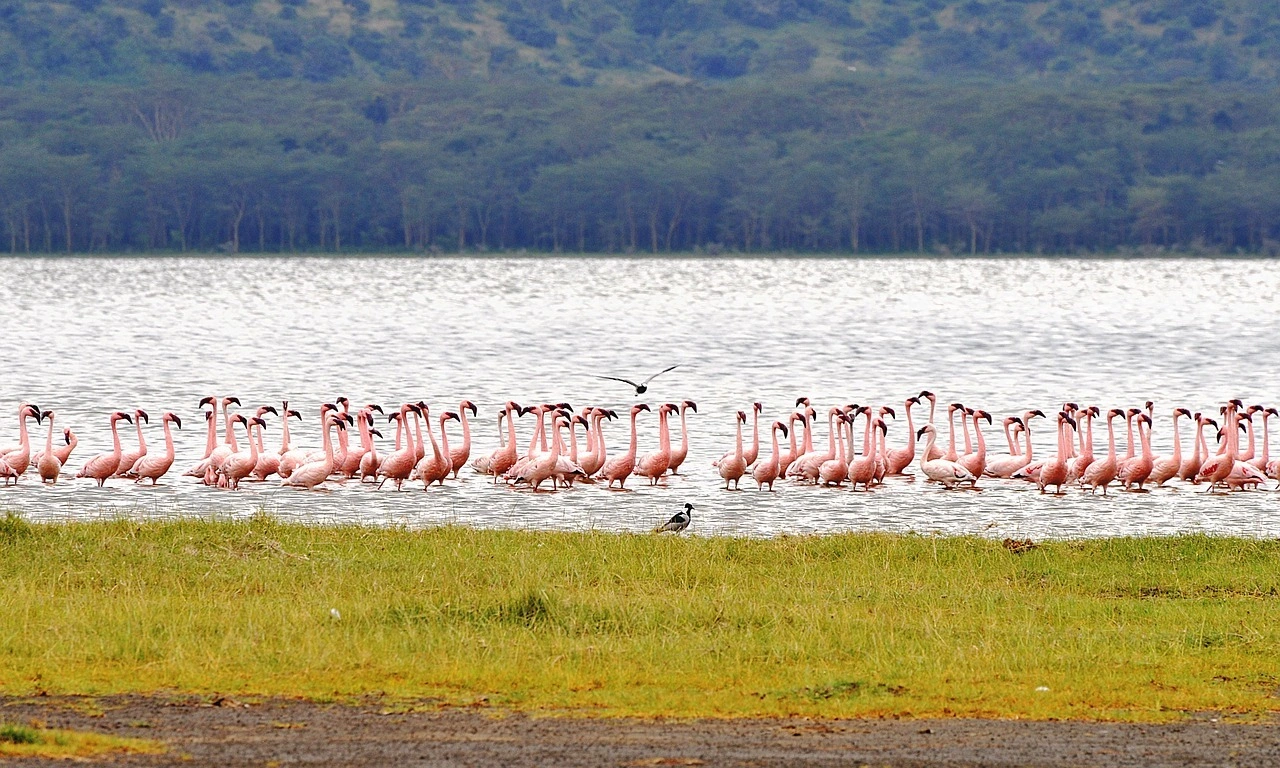
It is also important to set realistic flamingo expectations. Although Lake Nakuru is famous for spectacular historic gatherings, flamingo populations move between Rift Valley lakes as water chemistry and food change. Large flocks are not guaranteed. Kenya Wildlife Service's recent work highlights those shifts, so consider bird diversity and the park's scenery part of the core experience.
Is the route suitable for families, couples and photographers?
For couples, the appeal is variety without making every day a major transfer. Families may appreciate a two-night base in Ol Pejeta rather than changing hotels every night. A private vehicle can make snack breaks, shorter wildlife sessions and child-friendly pacing easier to manage.
For photographers, one full day in Ol Pejeta offers more flexibility with changing light and animal movement. The Lake Nakuru section contributes lake landscapes and varied birdlife. If photography is the main purpose of the trip, mention that early: a slower route with fewer scheduled activities usually works better.
Accommodation options and what to compare
The two-night Ol Pejeta plus one-night Nakuru arrangement works across several accommodation styles. Rather than treating properties as interchangeable, consider whether they lie inside or outside protected-area gates, how much extra driving that creates, which meals are included and whether the room type matches your group.
Ask a safari planner to separate the available levels clearly:
- Value-focused: practical, comfortable accommodation and a transparent list of included services.
- Mid-range: stronger emphasis on comfort, convenience and facilities without necessarily changing the wildlife route.
- Premium: upgraded accommodation, potentially more secluded settings and a more personalised service plan.
Do not assume that a premium name automatically buys an exclusive wildlife experience. Conservation activities and private arrangements still require explicit confirmation.
How is a four-day Kenya rhino safari priced?
A sound quotation should identify transport and driver-guide services, number of nights, meal plans, conservancy and national park entry, any additional activity fees, and the pickup and drop-off points. Official entry charges can depend on residency classification and age. Group size influences the per-person transport share; travel dates and hotel availability influence room pricing.
Ask three questions before paying a deposit: What exactly is included? Which activities are optional? What could change if a named property is unavailable? Be particularly careful when comparing a quote that includes standard entry with one advertising a specialist rhino experience. They are not necessarily equivalent.
For visitor guidance, consult Ol Pejeta's official visitor information and the official Lake Nakuru National Park page.
Travel tips to make the four days count
Keep luggage manageable, carry a light layer for cool mornings and bring binoculars, a camera and sun protection. Confirm dietary and accessibility needs, child ages and rooming requirements early. Respect the protected areas' road and wildlife-viewing rules, and never ask a guide to leave designated tracks for a closer sighting.
Most importantly, allow the itinerary to breathe. One extra sighting enjoyed slowly is often more memorable than a schedule full of activities that leave no time to observe.
FAQs about the Ol Pejeta and Lake Nakuru safari
Is four days enough for both destinations?
Yes, provided you use a reasonable two-night and one-night split, accept that some time is needed for transfers and choose optional activities carefully.
Where should we spend the extra night?
Two nights near Ol Pejeta are a good default because they create a full day for flexible drives and conservation experiences. Other arrangements may suit specific flight or lodge availability.
Is this a Big Five guarantee?
No. The areas are rich in wildlife, but individual animal sightings cannot be guaranteed. A good operator should describe likely opportunities without making promises about freely moving animals.
Will the safari include the northern white rhino experience?
Only when it has been specifically requested, confirmed and itemised. Ordinary park entry and a dedicated specialist experience should not be confused.
Can a four-day safari be customised?
Yes. Dates, the accommodation level, starting point, travelling party and interest in birds or conservation can inform a tailored programme while preserving realistic road times.
Ready to plan a short Kenya safari with purpose?
A good Ol Pejeta and Lake Nakuru safari should leave you with a sense of Kenya's natural variety, a better understanding of rhino conservation and enough time to enjoy the journey. View the 4-day GoPatooh safari package or request a tailored itinerary with your travel dates, group size, residency categories and preferred level of accommodation.
Planning references: Ol Pejeta Conservancy, Lake Nakuru National Park, KWS, KWS flamingo research. Wildlife sightings, fees and activity availability are not guaranteed.