
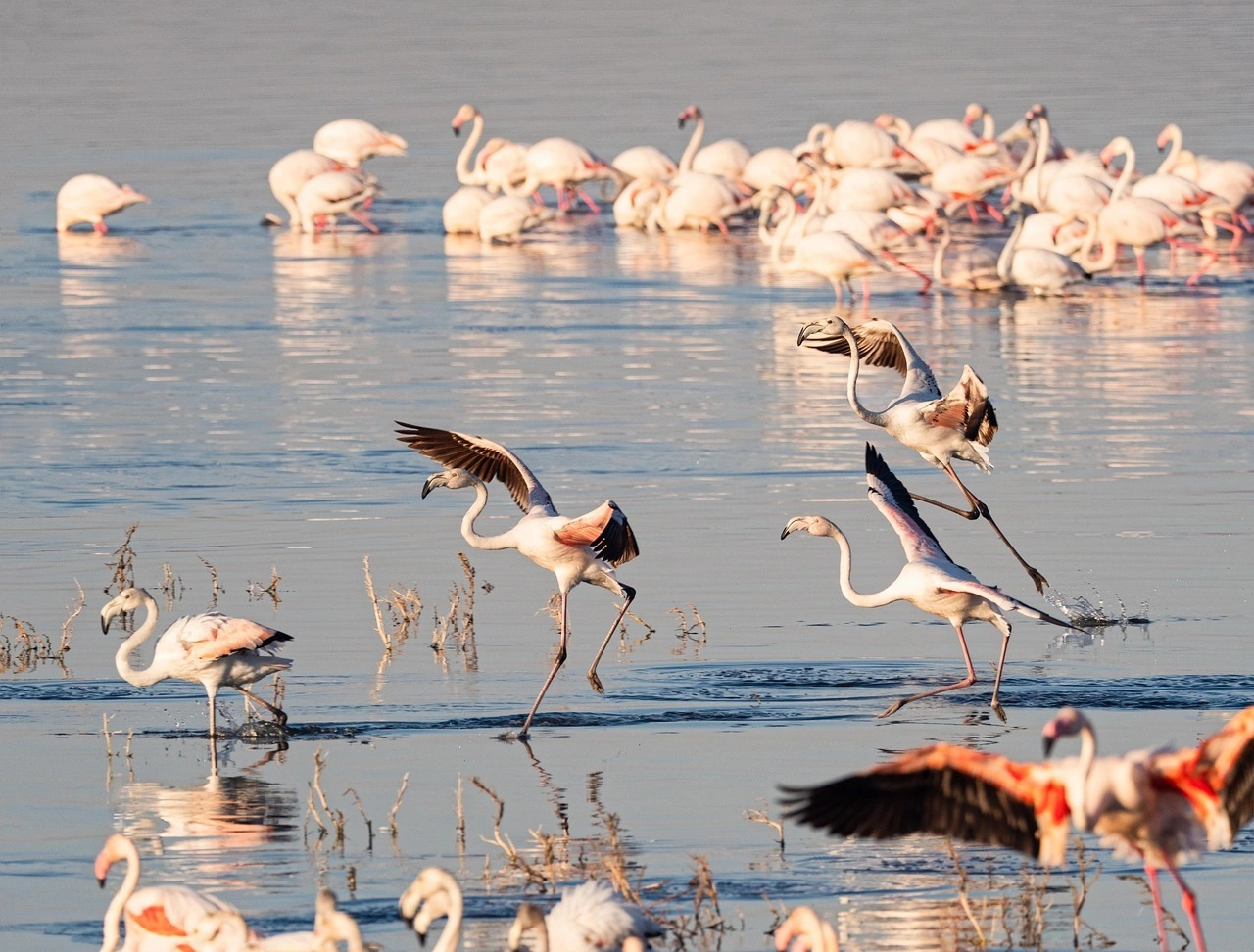
Few Kenyan safari destinations offer the same mix of lake scenery, woodland, birdlife and rhino conservation as Lake Nakuru National Park. The park sits beside Nakuru City in the Great Rift Valley and offers an engaging contrast to the country's better-known open savannah parks.
This Lake Nakuru safari guide focuses on what travellers can reliably plan for: game drives, the chance of seeing black and white rhinos, birdwatching, scenic stops and the practical questions that determine whether a visit feels rushed or relaxed. It also explains why the old assumption that Lake Nakuru is always covered in flamingos is no longer dependable.
Where is Lake Nakuru National Park?
Lake Nakuru National Park is in Kenya's Rift Valley, beside Nakuru City. Kenya Wildlife Service describes road access from the Nairobi–Nakuru highway, with several park gates available. The location makes it possible to visit on a longer day trip from Nairobi, although an overnight stay leaves more room for wildlife drives and unhurried photography.
The park includes an alkaline lake, shoreline habitats, acacia woodland and grassland. This mix creates a compact yet diverse viewing area. On a single drive you may move from birds near the water to mammals in wooded or more open surroundings, depending on access and wildlife movement.
See our 4-day Ol Pejeta and Lake Nakuru safari if you want to explore the lake within a wider Kenya wildlife route.
Lake Nakuru is a rhino conservation destination
Lake Nakuru is particularly significant for black and white rhino conservation. The park is a protected habitat where travellers may have opportunities to view both, though sightings still depend on animal movement, weather and the routes open that day.
Understanding the animals adds depth to the drive. Black rhinos tend to use more cover and can be harder to observe. White rhinos are often associated with grazing in more open habitat. A good guide will explain behaviour without driving too close or interrupting the animals.
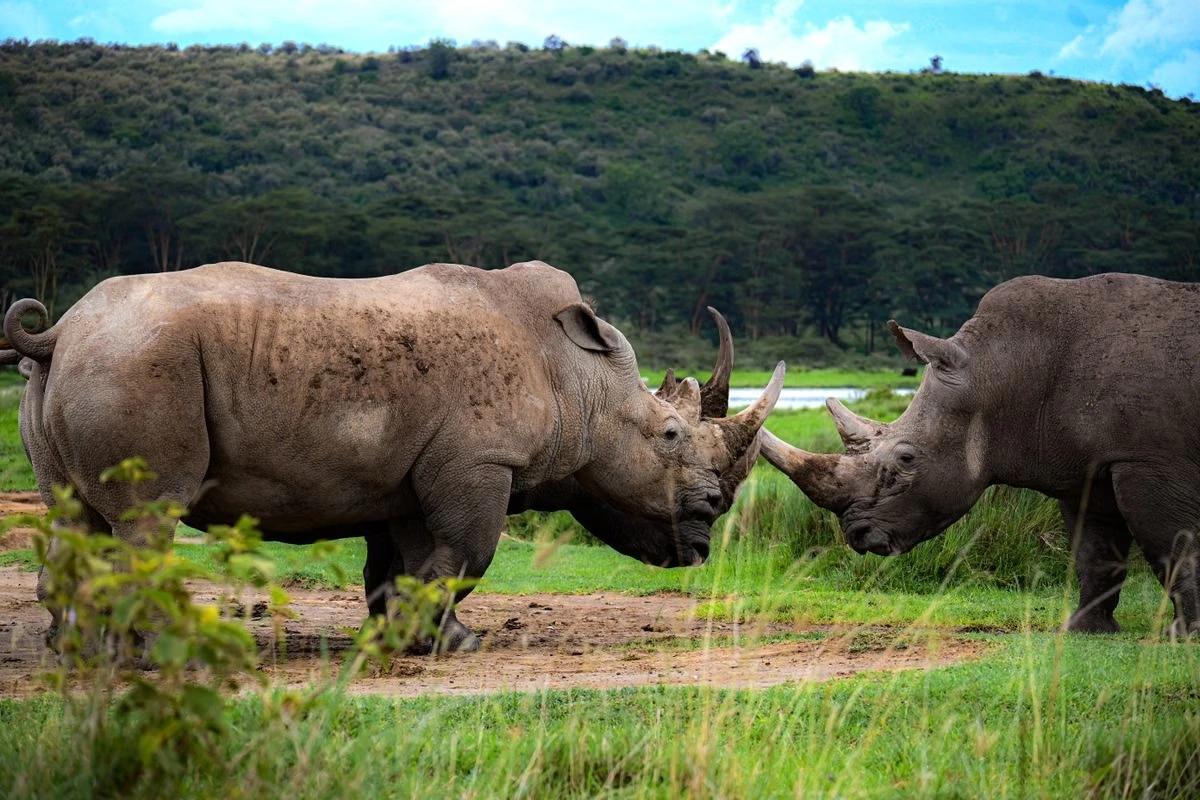
Rhinos share the park with other wildlife, including buffalo, giraffes, antelopes and predators. A vehicle moving slowly and stopping to observe can reveal more than a drive focused only on racing between headline sightings.
What happened to Lake Nakuru's flamingos?
Lake Nakuru became famous for extraordinary flamingo gatherings. But large pink flocks are not a year-round guarantee. Flamingos move between Rift Valley lakes in response to changing water chemistry and food availability. Rising lake levels can alter the conditions needed for the algae on which lesser flamingos feed.
Kenya Wildlife Service reported in 2026 that a coordinated census revealed major changes in flamingo distribution across the Rift Valley. The important lesson for visitors is not that Lake Nakuru has stopped being a bird destination; it is that flamingo concentrations are dynamic. Photographs taken years ago may not represent conditions during your travel week.
If flamingos are your primary reason for travelling, ask for the most recent local sightings and discuss alternative birdwatching stops if the current distribution makes another lake more suitable. Never book an entire itinerary on the assumption that a specific number of flamingos will be present.
Read the Kenya Wildlife Service update on shifting flamingo populations for the ecological explanation.
Beyond flamingos: why birdwatchers enjoy the park
Lake Nakuru's birdlife is broader than its most iconic species. Waterbirds, raptors and woodland birds use different habitats around the park. The mix can interest beginners carrying their first pair of binoculars and experienced birders building a longer Kenya checklist.
Birdwatching is best approached with curiosity rather than a guaranteed species list. The birds you encounter depend on weather, recent water conditions, time of day and where your guide takes you. Share any particular bird interests in advance so the day's pace and stops can be adjusted.
A guide who allows time to listen, identify calls and compare habitats adds value that a rapid drive cannot provide. Early hours and softer late-day light are often pleasant for both bird observation and photography.
What else can you do at Lake Nakuru?
A Lake Nakuru safari is primarily a vehicle-based wildlife experience, but the park also has viewpoints and authorised visitor areas. Kenya Wildlife Service identifies scenic viewpoints, picnic sites and Makalia Waterfalls among the attractions. What can be reached comfortably on a given day depends on weather, road conditions and park guidance.
Ask your driver-guide to prioritise wildlife observation over completing a rigid list of landmarks. Scenic stops work best when they fit naturally into the drive rather than pulling the itinerary across the park at the expense of time with animals.
Photography tips for Lake Nakuru
Lake landscapes reward changing light. Try wide compositions that show the scale of the water and hillsides, then use a longer focal length for wildlife without crowding animals. A beanbag can help stabilise a lens on a safari vehicle. Avoid feeding, calling to or disturbing birds to obtain photographs.
Best time to visit Lake Nakuru
The park can be visited year-round, but each season changes the experience. Drier weather may improve movement on some tracks, while greener times bring appealing vegetation and dramatic skies. Lake levels and bird distribution should be considered independently of the broad wet-versus-dry season calendar.
If you have fixed school-holiday dates, booking accommodation early can be wise. If photography or particular bird species matter more than dates, build flexibility into your trip and verify current local information shortly before travel.
The official KWS Lake Nakuru park page is the right place to check current gate rules, park guidance and published fees.
Day trip or overnight safari: which is better?
A day trip can introduce the park if your time is limited, but it means starting early and balancing road travel with time inside the park. An overnight stay in or around Nakuru makes it easier to plan an additional wildlife session and avoid feeling that the whole day revolves around a return transfer.
For a broader safari, pairing the park with Ol Pejeta Conservancy creates an especially coherent itinerary. Ol Pejeta brings Laikipia's rhino conservation work and other wildlife experiences; Lake Nakuru adds a different landscape and a strong birdwatching component. We explain that route in our four-day combined safari itinerary guide.
How to choose an accommodation and safari style
Consider whether you prefer accommodation inside the national park, where available, or a property in Nakuru City or nearby. A hotel outside the gate may have a different price and broader dining choices, but it may also add transfer time. Check the room plan and departure logistics rather than deciding on star labels alone.
Private game drives allow more freedom to stop for birds or photography. Shared arrangements may suit the budget but should specify the number of travellers, space in the vehicle and hours of wildlife viewing. Families should confirm suitable seating and how the day will be divided into breaks.
Park fees, rules and responsible visiting
Fees depend on the official visitor category and may change. Request a quote that specifies whether park entry, vehicle, guide, meals and any overnight fees are included. Bring the correct identification required to qualify for the relevant fee category, and do not rely on an old social-media price chart.
KWS advises visitors to observe speed limits, stay on designated routes, avoid single-use plastics and remain in the vehicle except in permitted areas. Respect the space of rhinos and other animals. Responsible wildlife viewing helps keep both visitors and wildlife safer.
Questions about visiting Lake Nakuru
Will I definitely see flamingos at Lake Nakuru?
No. Flamingo numbers change substantially with food availability, lake conditions and seasonal movements. Treat large flocks as a possibility, not a promised attraction.
Can I see both black and white rhinos?
Both are associated with Lake Nakuru's protected rhino population, but sightings are never guaranteed. The best approach is an experienced guide, adequate time and patience.
How long should I spend in the park?
A full wildlife-viewing day is rewarding, and an overnight stay offers more flexibility. Shorter visits are possible if your overall itinerary has time constraints.
Is Lake Nakuru good for families?
Yes, for many families. The relatively compact wildlife area can be appealing, but the day should still include suitable breaks, water, snacks and age-appropriate expectations.
Can I combine Lake Nakuru with Ol Pejeta in four days?
Yes, if transfers are realistic and the itinerary is not overfilled. Two nights near Ol Pejeta and one near Lake Nakuru make a workable planning structure, subject to lodge and activity availability.
Plan for what Lake Nakuru does best
Go to Lake Nakuru for its landscape, rhino conservation, varied birdlife and opportunity to appreciate a different side of Kenya's protected areas. Let flamingos be part of the possibility rather than the sole measure of success. Compare our four-day Ol Pejeta and Lake Nakuru tour or ask GoPatooh to plan a safari around your dates, wildlife interests and preferred travel style.
Planning references: Kenya Wildlife Service Lake Nakuru guide, KWS flamingo census analysis. Park rules, fees and current sightings should always be reconfirmed.